
Slip-Resistant Epoxy Flooring Specialists Near Me
As Brisbane’s leading slip-resistant epoxy specialists, we understand Queensland’s unique workplace safety regulations and humid subtropical climate challenges.
- Servicing Logan, Redlands, and inner Brisbane suburbs
- Expert knowledge of Australian Standard AS 4586 requirements
- Familiar with Brisbane building codes and compliance standards
- Solutions designed for seasonal storms and humidity fluctuations
- Local expertise ensuring reliable performance in demanding conditions. Quality slip-resistant additives properly applied will maintain their effectiveness for years. The initial investment in professional installation pays dividends through reduced liability risks, lower insurance premiums, and improved workplace safety records.

Professional vs DIY: Why Application Method Matters
| Professional Application | DIY Attempts |
|---|---|
| Precise additive ratios tested for Brisbane climate conditions. Surface preparation addresses moisture issues. Temperature and humidity monitoring during application. Compliance testing and documentation provided. Quality guaranteed with warranties. | Guesswork on additive amounts often leads to failure. Surface prep shortcuts compromise bonding. Weather conditions were ignored during the application. No testing means unknown safety levels. No recourse when performance fails. |
Types of Slip-Resistant Additives We Use
The gold standard for heavy-duty applications, aluminium oxide createsa durable texture that withstands forklift traffic and industrial cleaning. These particles bond permanently with the epoxy, providing consistent slip resistance that won’t wear away under Brisbane’s demanding commercial conditions.
Perfect for moderate-traffic areas like retail spaces and offices. Silica sand offers excellent grip while maintaining a smoother feel underfoot. The fine texture works well in customer-facing environments where safety meets aesthetics.
Spherical polymer additives provide slip resistance with easier cleaning properties. The rounded shape prevents dirt accumulation while delivering reliable traction. These work particularly well in healthcare and food service applications where hygiene standards are paramount.
For maximum texture in extreme environments, broadcast aggregates create the highest slip resistance ratings. Manufacturing plants and heavy industrial facilities rely on these additives to meet stringent safety requirements while handling aggressive chemicals and heavy machinery.

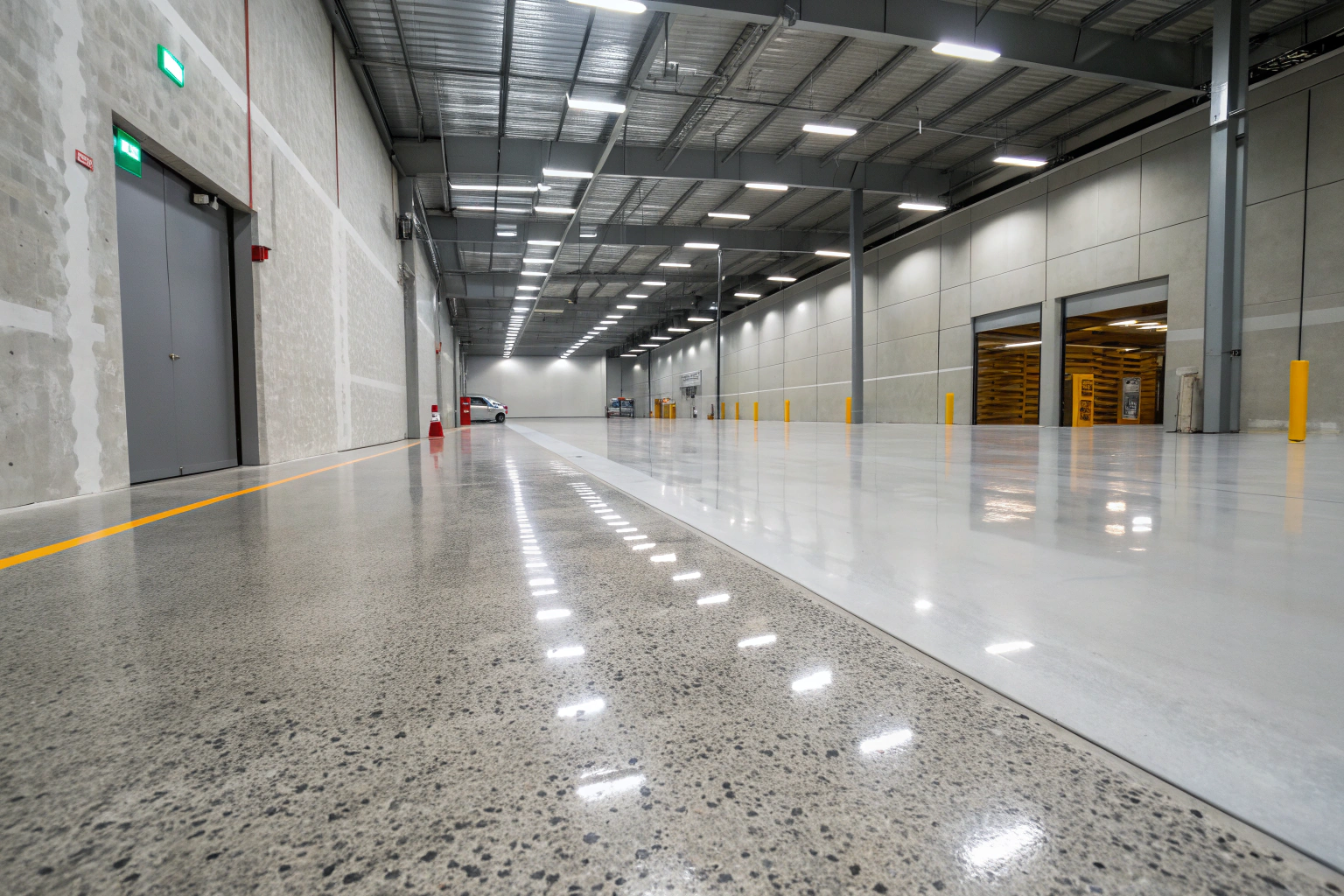
Prevent Costly Workplace Accidents
Workplace slip and fall accidents cost Brisbane businesses thousands in compensation claims and lost productivity. Standard epoxy floors become dangerously slippery when wet or contaminated with oils and chemicals. Adding slip-resistant additives transforms your flooring into a safety system that protects employees while meeting Queensland workplace safety regulations and reducing liability risks.
Long-term Performance Monitoring
Slip resistance can change over time based on traffic patterns and cleaning practices. We recommend annual testing to verify continued compliance with safety standards. This proactive approach identifies any areas needing attention before they become safety concerns.
Reapplication of additives might be necessary in high-wear areas after several years of heavy use. Our maintenance programs include performance monitoring and touch-up services to keep your floors performing at peak safety levels throughout their service life.

Our Professional Application Process
Surface Assessment and Preparation
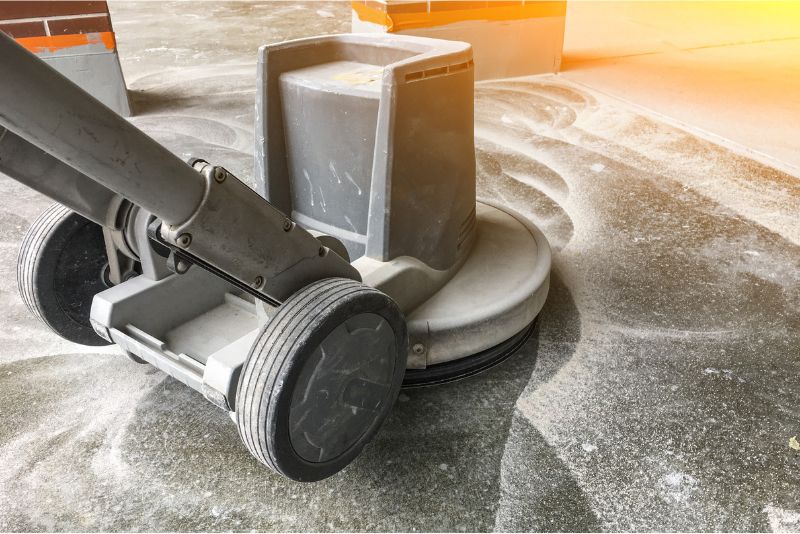
Every Brisbane project begins with slip resistance testing using Australian Standard AS 4586 protocols. We measure existing conditions and determine the appropriate additive type and concentration for your specific environment and traffic patterns.
Precise Additive Integration
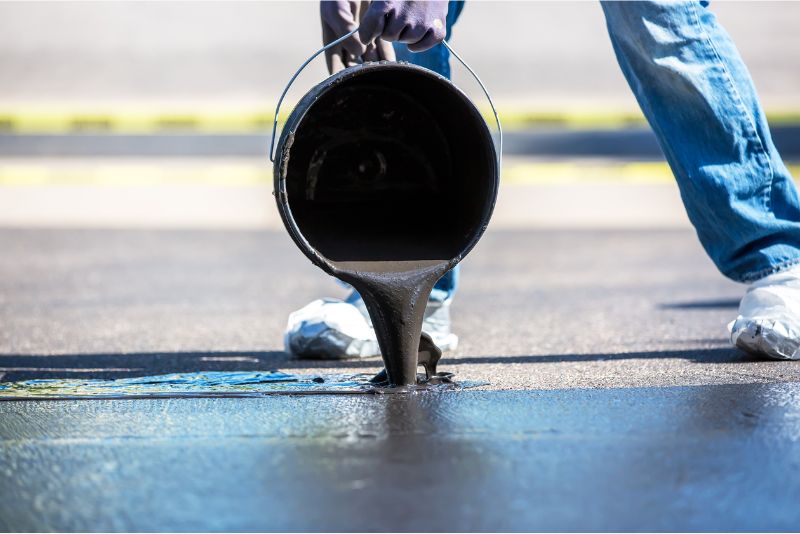
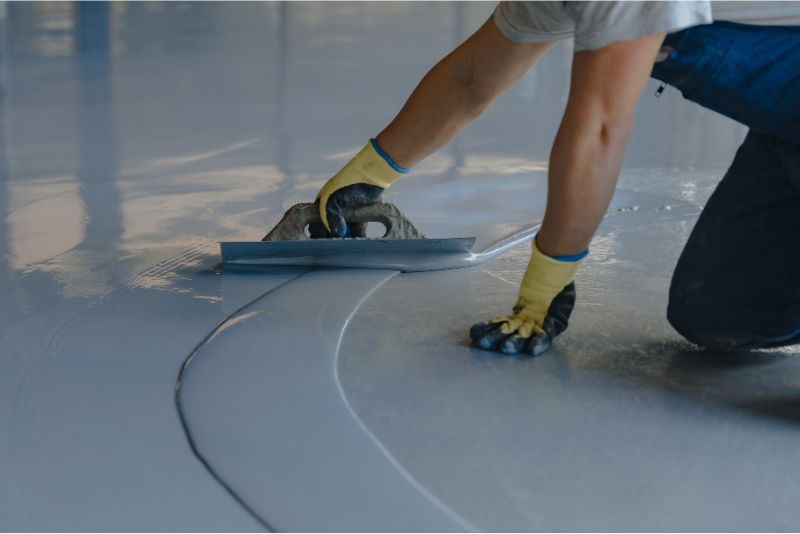
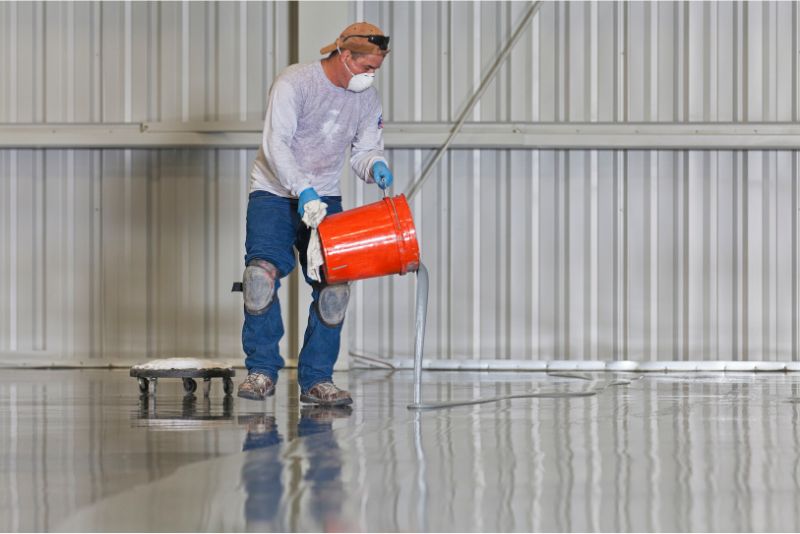
Timing and mixing ratios make the difference between professional results and disappointing failures. We blend additives at specific temperatures and humidity levels, accounting for Brisbane’s weather conditions that affect epoxy curing.
Quality Control and Testing
Post-installation testing confirms slip resistance ratings meet Australian workplace safety standards. We document performance levels and provide compliance certificates for insurance and regulatory purposes during safety audits and insurance renewals.
Maintenance and Long-term Performance
Slip-resistant epoxy floors require specific cleaning approaches to maintain both safety and appearance. Brisbane’s humid climate affects floor performance throughout the year, requiring seasonal care adjustments.
- Use appropriate cleaning chemicals that preserve additive effectiveness
- Implement proper drainage during Queensland’s storm seasons
- Schedule annual slip resistance testing for continued compliance
- Monitor high-wear areas for potential reapplication needs
- Follow professional maintenance guidelines to protect your investment
Frequently Asked Questions
How do slip-resistant additives affect the appearance of my epoxy floor?
Slip-resistant additives create a subtle texture that maintains the professional appearance of epoxy flooring. Fine additives like polymer beads provide safety without compromising aesthetics, while coarser options like aluminium oxide offer maximum grip with slightly more visible texture.
Which slip-resistant additive is best for my Brisbane business?
The ideal additive depends on your industry, traffic levels, and safety requirements. Retail spaces typically use polymer beads, manufacturing facilities prefer aluminum oxide, and food service areas benefit from silica sand. We assess your specific needs during consultation.
Will slip-resistant additives make my floors harder to clean?
Properly applied slip-resistant additives actually enhance cleaning by preventing films that reduce traction. Standard mopping and cleaning chemicals work effectively. The textured surface prevents dirt accumulation while maintaining the easy-care benefits of epoxy flooring.
What's the difference between broadcast and integrated additive application?
Broadcast application sprinkles additives onto wet epoxy for maximum texture and grip. Integrated mixing blends additives into epoxy before application for subtle slip resistance. We recommend the best method based on your safety requirements and aesthetic preferences.